



Performers:
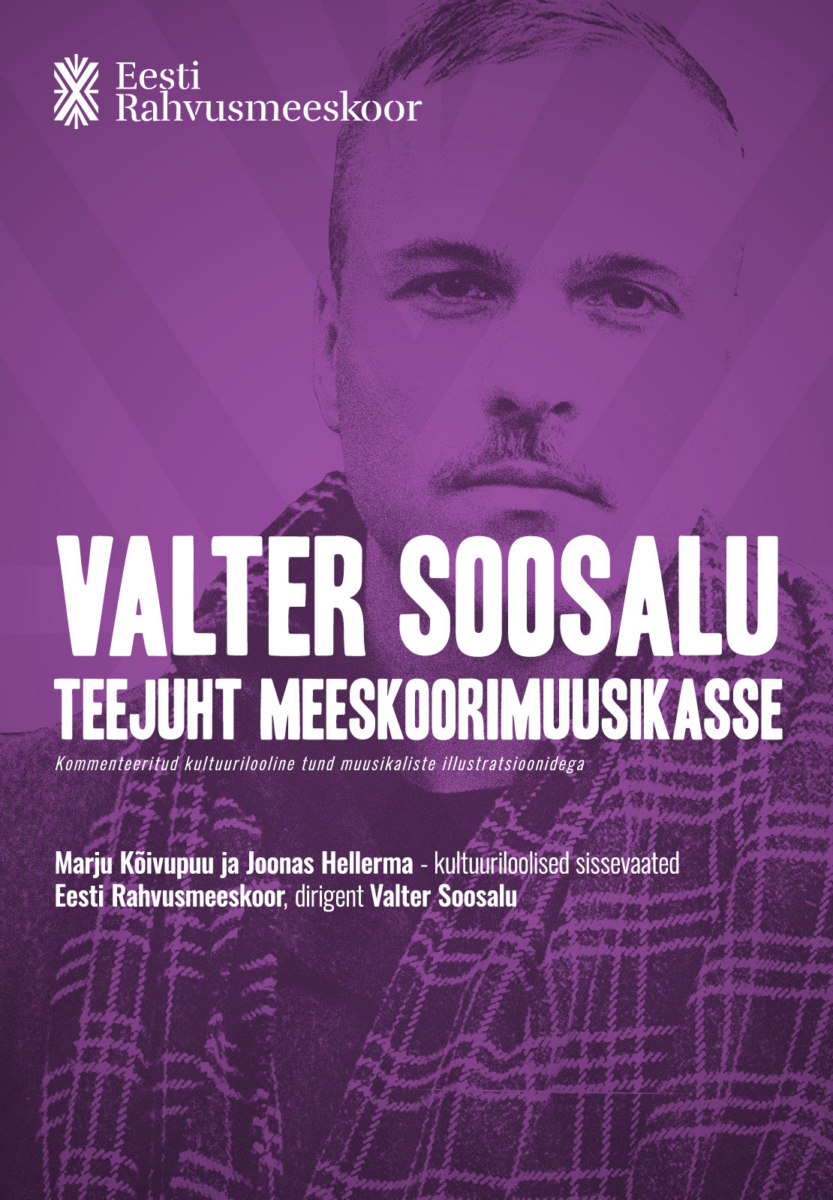
Cultural history insights by Marju KõivupuuConversation led by Joonas Hellerma
Estonian National Male Choir
Conductor Valter Soosalu
A commentary-backed cultural history session with musical illustrations
Programme:
Gregorian chant, Perotinus, Britten, Poulenc, Saar, Kõrvits etc.
One of the driving forces behind the Estonian National Male Choir stems from the knowledge that, historically, significantly fewer works have been composed for male ensembles spanning a much shorter period compared to mixed choirs.
However, brushing the dust off history reveals that the roots of male choral singing reach far deeper into the past. Specifically, they trace back to the Early Middle Ages, when Gregorian chant resounded through European church music – a monophonic Latin song performed predominantly by male voices in monasteries and cathedrals. In the 12th and 13th centuries, Europe entered the era of polyphony, giving us the names of the first known composers, including Perotinus, who worked in Paris. Modern and contemporary times brought rapid changes to both social life and musical tastes, which is also reflected in the stylistic and geographical diversity of pieces that have become male choir classics.
Thus, in the company of men singing and music created for male voices, listeners can wander through a significant part of European cultural history. Interspersed with fun facts and commentaries that introduce a broader context, this performance welcomes culture and history enthusiasts of all ages, as well as anyone wishing to enjoy male choral classics in a brilliant rendering.
Duration: appr. 1 h 30 min (no intermission)